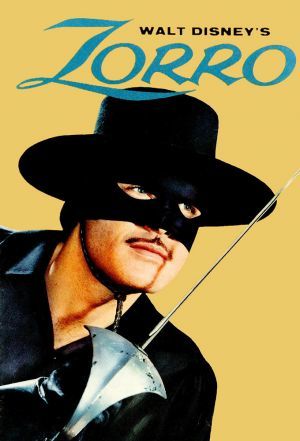
From its first episode in 1957, Zorro demonstrated an ambition that most comedy series only dream of. In the early nineteenth century, back from Spain, where he was studying, Don Diego de la Vega discovers that Los Angeles is tyrannized by the garrison commander of this small town of Spanish California. This initial premise expands into something far richer, exploring themes and conflicts that resonate well beyond the screen.
Zorro earns its 7.5/10 through sheer consistency of vision. The show knows exactly what it wants to be and executes that vision with discipline. The dialogue crackles with purpose, the set pieces land with precision, and the emotional beats are earned rather than manufactured. It is the kind of television that rewards attention: background details become significant, throwaway lines become thesis statements, and characters evolve in ways that feel inevitable yet surprising.
For fans of smart, character-driven comedy, Zorro is not just recommended — it is essential. It represents television operating at full power, where every creative choice serves a larger purpose. In a landscape crowded with content, this series stands out as something genuinely worth your time. Whether you binge it in a weekend or savor it slowly, the experience stays with you, reshaping how you think about what the comedy genre can achieve.