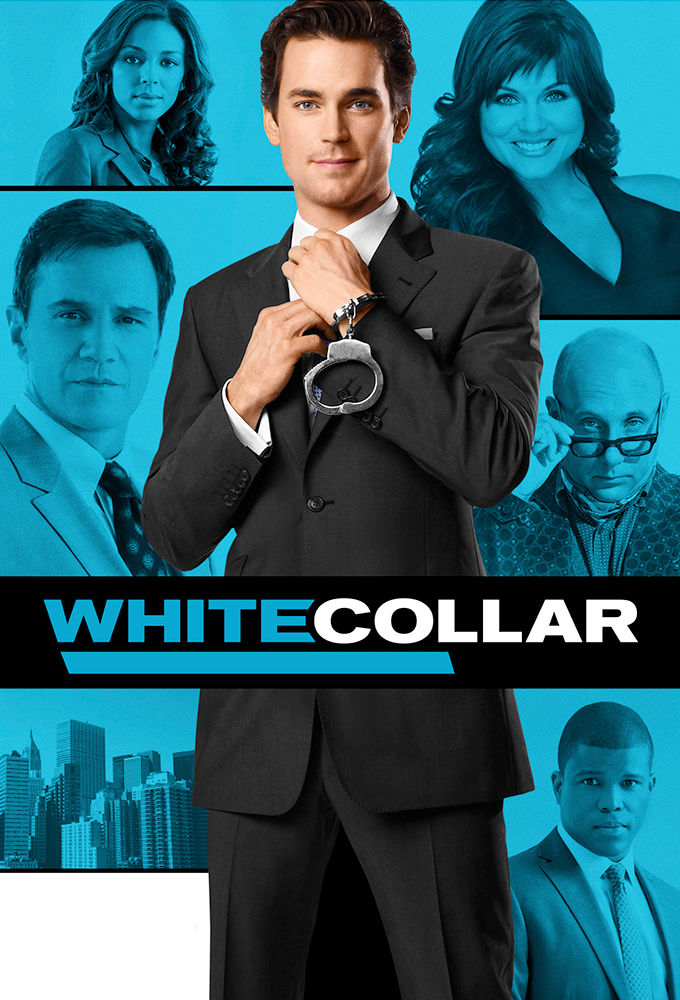
White Collar arrived in 2009 as a bold entry in the drama landscape. The series focuses on the unlikely partnership between the very intelligent and charming con-artist Neal Caffrey and the hard-working and earnest FBI agent Peter Burke. What follows is a series that takes this core idea and runs with it, building layer upon layer of complexity across its run.
The craft on display in White Collar is evident from the opening frames. With a 8.2/10 rating reflecting audience and critical consensus, the show demonstrates a level of writing that elevates genre television into something approaching art. The performances are uniformly strong, with actors who understand that restraint often speaks louder than spectacle. The direction and cinematography serve the story rather than the other way around, creating a visual identity that feels cohesive and intentional across every episode.
White Collar deserves a spot on any fans of smart, character-driven comedy's watchlist. This is television that understands its medium — using visual language, performance, and structure to tell a story that could not exist in any other form. It is the kind of series that reminds you why you fell in love with storytelling in the first place. In an era of algorithmic recommendations and endless options, White Collar is a show that makes its own case for relevance.