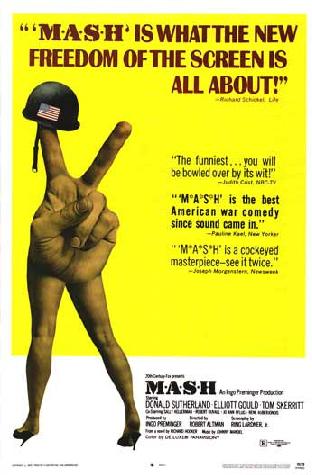
Review
M*A*S*H is more than a television show — it's a cultural landmark that proved comedy and tragedy could coexist in 30 minutes. Set in a Mobile Army Surgical Hospital during the Korean War, the series followed doctors who patched up wounded soldiers while using humor to survive the horror surrounding them.
Alan Alda's Hawkeye Pierce is one of television's greatest characters — a brilliant surgeon hiding his pain behind wisecracks. The legendary ensemble includes Wayne Rogers, McLean Stevenson, Larry Linville, Loretta Swit, and Gary Burghoff. Each character represented a different response to the absurdity and trauma of war.
The show's genius was its tonal versatility. One episode could feature a farcical football game; the next could deliver a devastating meditation on war's cost. The finale remains the most-watched television episode in history. M*A*S*H used its Korean War setting to comment on all wars, delivering an anti-war message earned through character and comedy rather than preaching.
Decades later, M*A*S*H remains essential viewing. Its blend of sharp comedy, genuine emotion, and moral seriousness set a standard television still strives to match.
The series finale, "Goodbye, Farewell and Amen," remains the most-watched single television episode in history, drawing over 100 million viewers. It delivered a devastating conclusion that honored every character's journey. Earlier landmark episodes like "The Interview" and "Abyssinia, Henry" demonstrated the show's willingness to break its own comedic format for moments of genuine grief. M*A*S*H proved that television could be simultaneously hilarious, heartbreaking, and politically engaged without sacrificing entertainment value.