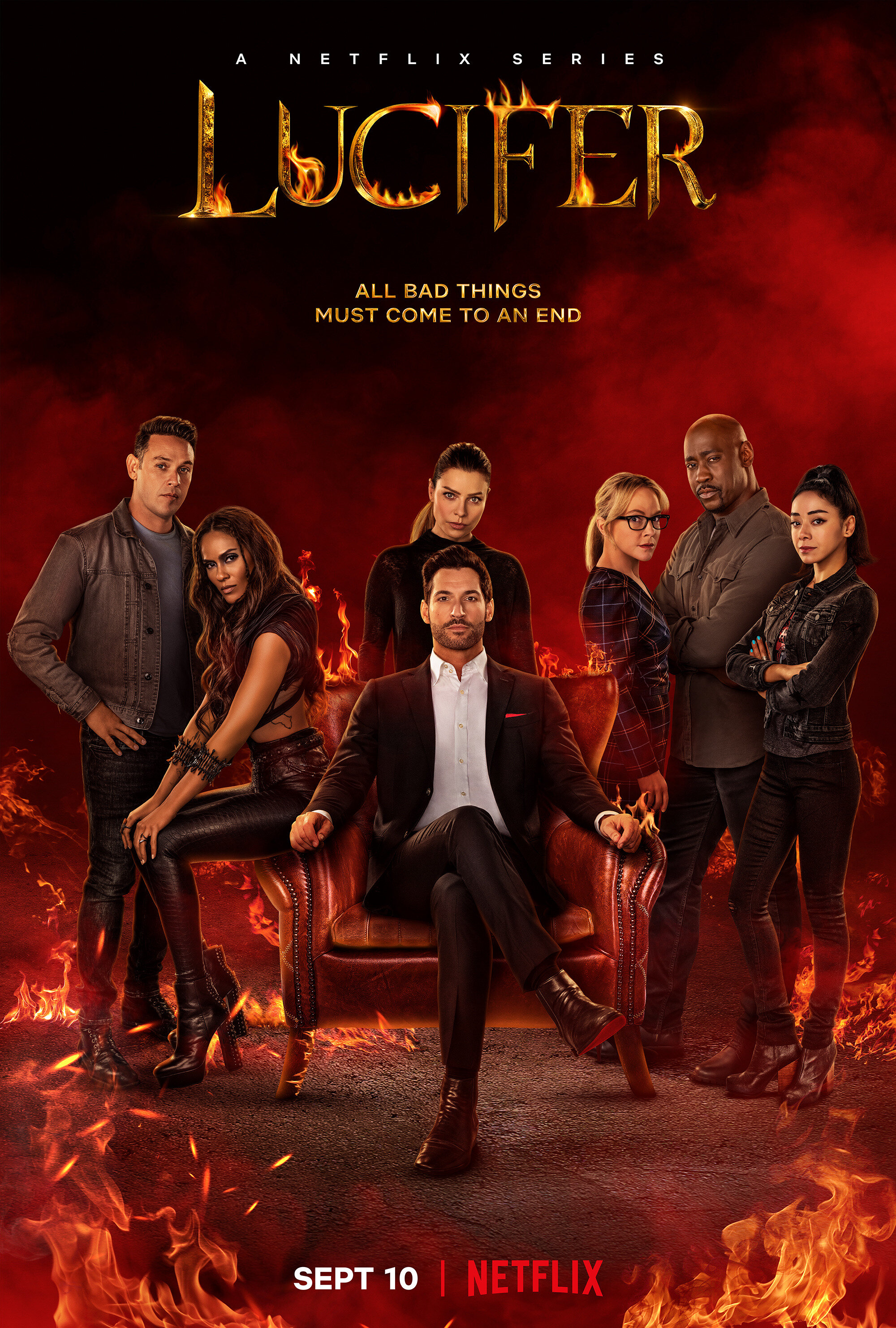
Lucifer debuted in 2016 and carved out a distinct identity within the drama space. The Devil has come to Los Angeles…Based upon the characters created by Neil Gaiman, Sam Kieth and Mike Dringenberg for DC Entertainment's Vertigo imprint, Lucifer is the story of the original fallen angel. The series builds on this foundation with confidence, establishing a tone and visual language that sets it apart from conventional television.
Lucifer earns its 8.3/10 through sheer consistency of vision. The show knows exactly what it wants to be and executes that vision with discipline. The dialogue crackles with purpose, the set pieces land with precision, and the emotional beats are earned rather than manufactured. It is the kind of television that rewards attention: background details become significant, throwaway lines become thesis statements, and characters evolve in ways that feel inevitable yet surprising.
Lucifer deserves a spot on any horror enthusiasts who appreciate atmosphere over cheap scares's watchlist. This is television that understands its medium — using visual language, performance, and structure to tell a story that could not exist in any other form. It is the kind of series that reminds you why you fell in love with storytelling in the first place. In an era of algorithmic recommendations and endless options, Lucifer is a show that makes its own case for relevance.