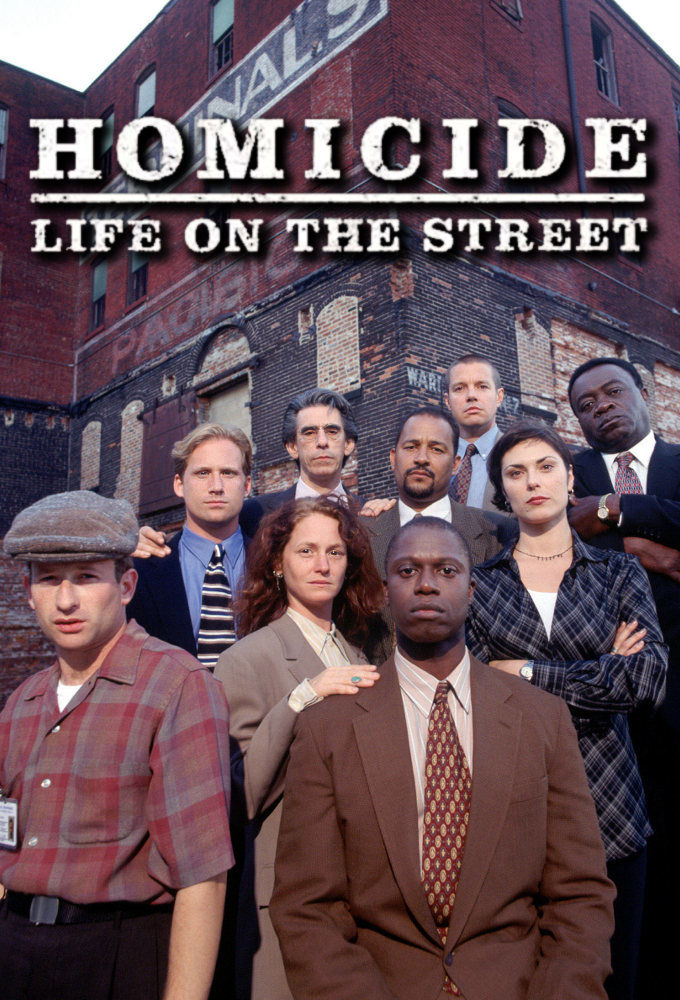
Homicide: Life on the Street debuted in 1993 and carved out a distinct identity within the drama space. One of the most critically acclaimed shows in TV history, Homicide: Life on the Street reinvigorated a tired genre by focusing on the grueling work of solving murders instead of an endless succession of bloody crimes and car chases. The series builds on this foundation with confidence, establishing a tone and visual language that sets it apart from conventional television.
What makes Homicide: Life on the Street particularly effective is its understanding of pacing and payoff. The 7.9/10 score is earned through meticulous plotting and character work that treats the audience with respect. Each season builds on the last, adding new dimensions to the world without losing sight of what made the premise compelling in the first place. The series manages the difficult balance of serialized arcs and episodic satisfaction, a feat that many shows never quite achieve.
If you count yourself among crime drama connoisseurs who demand intelligence and moral complexity, do not let Homicide: Life on the Street pass you by. It captures something genuine about the human experience through the lens of drama storytelling, and it does so with grace, intelligence, and style. This is the kind of series that defines a category rather than merely occupying it — a benchmark against which other shows in the genre will be measured for years to come.