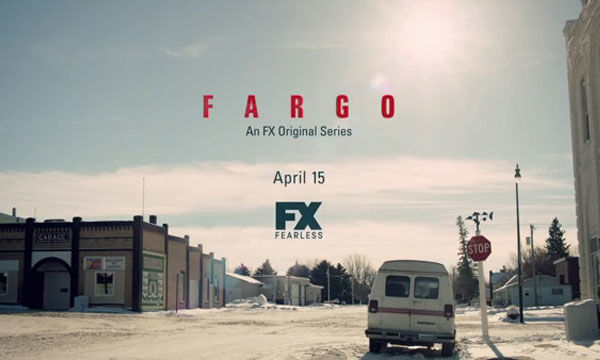
Fargo takes the Coen Brothers' film and expands it into an anthology series that captures the same tone — darkly comic, morally serious, and set against the stark beauty of the upper Midwest. Each season tells a self-contained story connected by theme, location, and occasional character crossovers.
Season 1 features Martin Freeman as a hapless insurance salesman whose moral compromise spirals into chaos, and Billy Bob Thornton as the embodiment of unpredictable evil. Season 2 moves to 1979, introducing Kirsten Dunst and Jesse Plemons as a couple whose accidental crime triggers a gang war. Season 3 shifts to 2010 with Ewan McGregor in a dual role as feuding brothers. Season 4 tells the story of Kansas City's crime families in the 1950s.
What unites these seasons is a fascination with ordinary people confronting extraordinary evil. The show's characters are not criminals by nature but become criminals through circumstance, and the transformation is always fascinating. The Minnesota nice dialogue, the sudden eruptions of violence, and the moral seriousness beneath the dark comedy are pure Coen Brothers.
The anthology format allows each season to explore different genres within the crime framework. Season 2 is a period crime epic; Season 3 is a noir thriller; Season 4 is a gangster saga. Each stands alone, but together they create a portrait of American violence that spans generations.
Fargo is essential viewing for fans of smart, stylish, and morally complex crime drama. It's funny, violent, and unexpectedly moving.