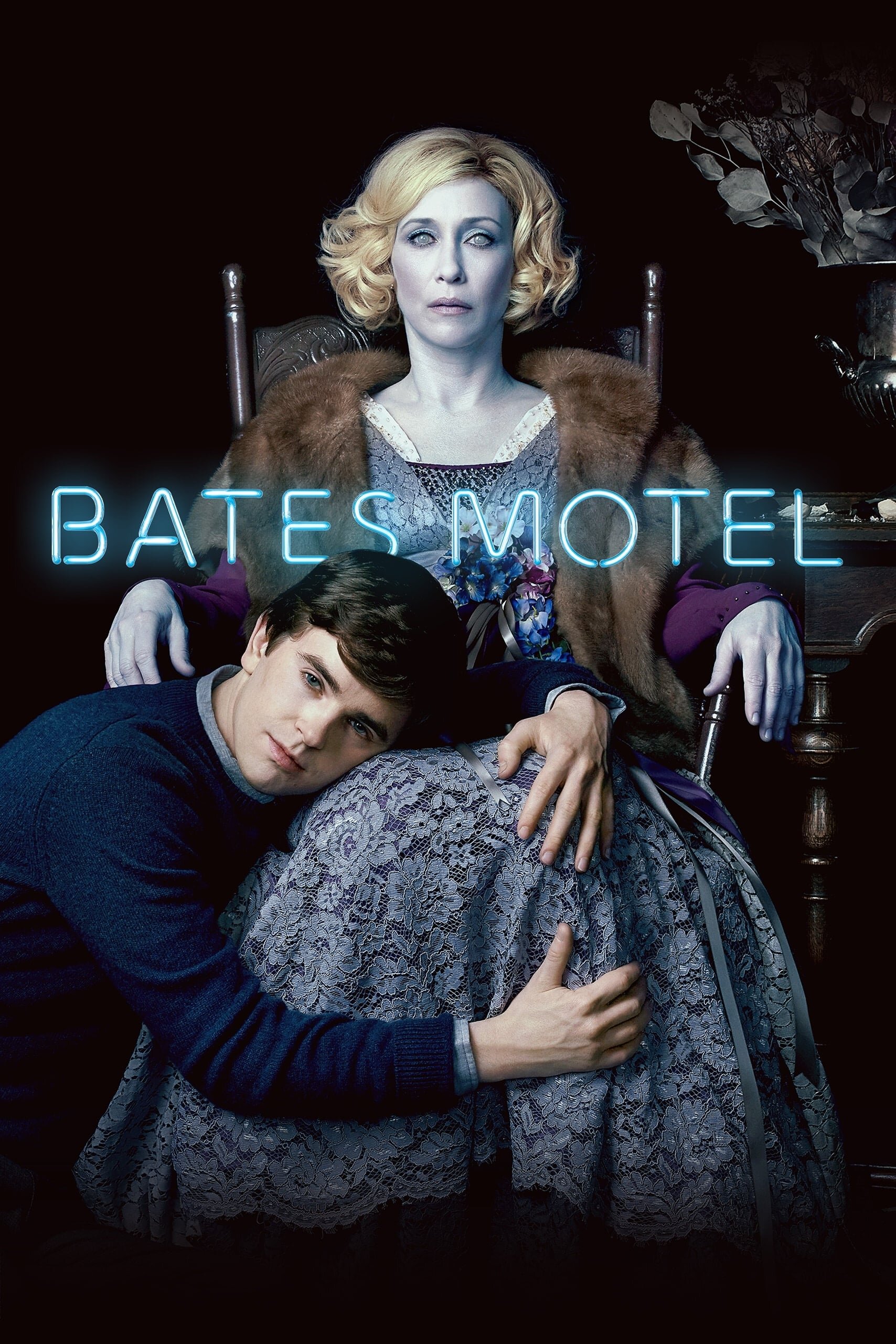
From its first episode in 2013, Bates Motel demonstrated an ambition that most drama series only dream of. Bates Motel is a contemporary prequel to the genre-defining film Psycho, and gives viewers an intimate portrayal of how Norman Bates' psyche unravels through his teenage years. This initial premise expands into something far richer, exploring themes and conflicts that resonate well beyond the screen.
The craft on display in Bates Motel is evident from the opening frames. With a 8/10 rating reflecting audience and critical consensus, the show demonstrates a level of writing that elevates genre television into something approaching art. The performances are uniformly strong, with actors who understand that restraint often speaks louder than spectacle. The direction and cinematography serve the story rather than the other way around, creating a visual identity that feels cohesive and intentional across every episode.
If you count yourself among horror enthusiasts who appreciate atmosphere over cheap scares, do not let Bates Motel pass you by. It captures something genuine about the human experience through the lens of drama storytelling, and it does so with grace, intelligence, and style. This is the kind of series that defines a category rather than merely occupying it — a benchmark against which other shows in the genre will be measured for years to come.